

- Joined
- Nov 21, 2019
- Messages
- 6,898
- Reaction score
- 127,043
- Points
- 11
- Age
- 55
- Location
- Орёл
- 💎VM
- 442,380.50
- New country
- 🌐Единия
- Enneatype
- 5 (?)
- Gender
- Male
- Ashram resident
- Yes
This mantra or shloka is called “Vishnu Stuti,” or simply:
It is easy to learn because it has a very pleasing, flowing rhythm. Even when you repeat it, you feel that you are uttering something majestic and regal.
It is not necessary to repeat the entire shloka. You can repeat just one verse—the one you like best. For example, the first verse or the first two, which, incidentally, I have emphasized more in this topic.
I provide the translation below, so it will be easy for you to repeat and memorize it and understand what it is.
I will also post a video here soon, and you will be able to do this even more easily by watching it.
In fact, this is both a mantra and a meditation. But it is a meditation that was created millions of years ago by Brahma himself. In other words, you can appreciate its immense power.
This is a universal mantra. It is protective, bestowing blessings, and granting everything one could possibly wish for.
Those who repeat it, or at least listen to it, will quickly receive the highest blessings. Their lives will become more successful.
Pronunciation:
Translation:
Pronunciation:
Word-for-word translation:
Translation:
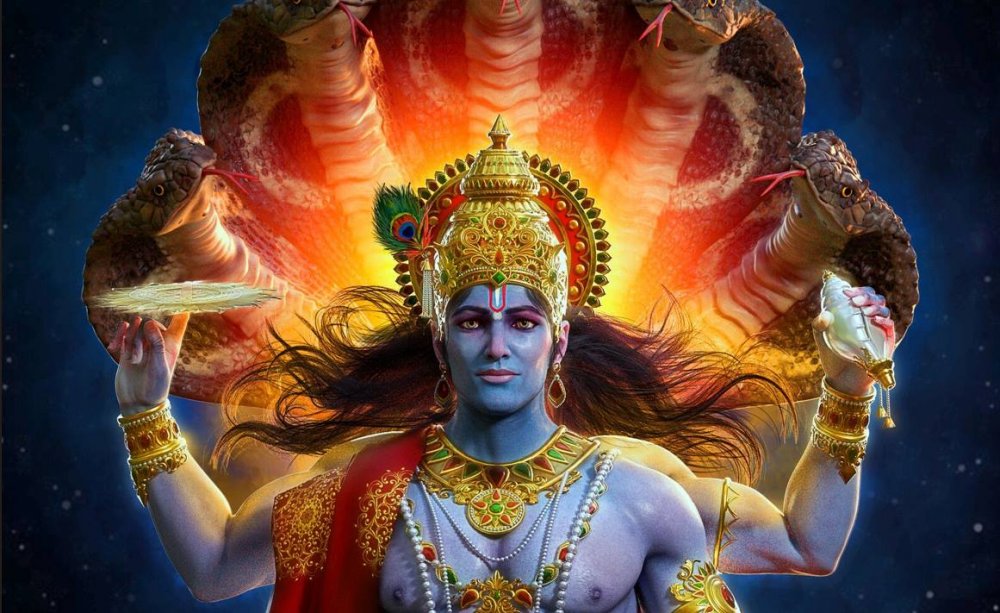
Pronunciation:
Translation:
Pronunciation:
Translation:
I will post a video with this mantra soon. It will be posted below in the topic.
Shuklam Baradharam Vishnum
It is easy to learn because it has a very pleasing, flowing rhythm. Even when you repeat it, you feel that you are uttering something majestic and regal.
It is not necessary to repeat the entire shloka. You can repeat just one verse—the one you like best. For example, the first verse or the first two, which, incidentally, I have emphasized more in this topic.
I provide the translation below, so it will be easy for you to repeat and memorize it and understand what it is.
I will also post a video here soon, and you will be able to do this even more easily by watching it.
In fact, this is both a mantra and a meditation. But it is a meditation that was created millions of years ago by Brahma himself. In other words, you can appreciate its immense power.
This is a universal mantra. It is protective, bestowing blessings, and granting everything one could possibly wish for.
Those who repeat it, or at least listen to it, will quickly receive the highest blessings. Their lives will become more successful.
Pronunciation:
Shuklambaradharam Vishnum
Shashivarnam Chaturbhujam
Prasanna vadanam Dhyayet
Sarva vighna prashantaye
Translation:
I meditate on Sri Vishnu, dressed in white garments,
all-pervading, radiant like the moon, and four-armed,
with a compassionate and gracious face;
let us meditate on him to be freed from all dangers.
Pronunciation:
Shantaakaram Bhujagashayanam
Padmanaabham Suresham
Vishvadharam Gagana Sadrisham
Megha Varnam Subhangam
Lakshmi Kantam Kamalanayanam
Yogibhir Dhyana Gamyam
Vande Vishnum Bhava Bhaya Haram
Sarva Lokaika Nathum.
Word-for-word translation:
Shantakaram: embodiment of peace
Bhujaga Shayanam: lying on a serpent
Padmanabham: he whose navel gives rise to a lotus, from which Brahma was born
Suresham: God of gods
Vishvadharam: support of all things
Gagana Sadrisham: pervading the entire cosmos
Megha Varnam: whose skin is dark blue like rain clouds
Shubhangam: with a pure and flawless body
Lakshmi Kantam: husband of the goddess of prosperity, Lakshmi
Kamala Nayanam: whose eyes resemble lotus flowers
Yogibhir Dhyana Gamyam: the one whom practitioners of yoga seek to attain through meditation
Vande Vishnum: I worship Vishnu
Bhava Bhaya Haram: remover of the fears of life
Sarva Lokaika Nathum: Lord of all worlds and universes
Translation:
He whose face is peaceful and who rests upon that which moves in coils (Ananta, Kundalini);
He whose navel is a lotus (from which Brahma appeared), and who is the God of all gods;
He who is the support of this world and is as vast as the sky;
He whose color is that of a thundercloud and whose limbs are beautiful and auspicious.
He who is beloved by Lakshmi and whose eyes are like lotuses;
He whom ascetics always approach in their state of meditation;
I worship that Vishnu who pervades everything,
who dispels the fear of this illusory world and is the one Lord of all worlds.
Pronunciation:
Aushadham Chintayed Vishnum
Bhojanam Cha Janardanam
Shayane Padmanabham Cha
Vivahe Cha Prajapatim
Yuddhe Chakradharam Devam
Pravase Cha Trivikramam
Narayanam Tanu Tyage
Shridharam Priya Sangame
Duhswapne Smara Govindam
Sankate Madhusudanam
Kaanane Naarasimham Cha
Pavak Jalasayinam
Jalamadhye Varaham Cha
Parvate Raghunandanam
Gamane Vamanam Chaiva
Sarva Karyeshu Madhavam
Translation:
Think of him as Vishnu when taking medicine,
as Janardhana while eating,
as Padmanabha in bed,
as Prajapati during marriage,
as Chakradhara during war,
as Trivikrama while traveling,
as Narayana on one's deathbed,
as Shridhar during a meeting with one's beloved,
as Govinda when suffering from bad dreams,
as Madhusudana when in trouble,
as Narasimha when in the forest,
as Jalasayin when there is danger from fire.
as Varaha when in water,
as Raghunandana when lost in the mountains,
as Vamana while moving,
and as Madhava while doing anything.
Pronunciation:
Shodashaitani Namani
Praharuddaya Yah Pathet
Sarva Papa Vinirmukto
Vishnu Lokam Avapnuyat
Translation:
As soon as a person wakes up in the morning,
if they recite these sixteen names of God,
they are immediately freed from all sins
and ultimately attain the beautiful realm of Vishnu.
I have highlighted these sixteen names from this shloka and translated their meanings for you:
Vishnu - The one who is everywhere
Janardhana - The one who punishes evil people
Padmanabha - The one whose navel bears a lotus containing our universe
Prajapati - The one who is the leader of people
Chakradhara - The one armed with the sacred discus feared by all demons
Trivikrama - The one who measured all the worlds in three steps
Narayana - The one who dwells in all things he creates
Shridhara - The one who bears the Goddess of Wealth upon his chest
Govinda - The one who can be attained through the Vedas
Madhusudana - The one who killed the demon named Madhu
Narasimha - The one who assumed the form of half lion and half man (I have written a lot about him on the Your Yoga website, for example - here, and I have also made videos with Narasimha, for example - here and so on; those who have been visiting my Your Yoga website for a long time already know all this)
Jalasayin - The one who sleeps upon the waters of the causal (universal) ocean
Varaha - The one who assumed the form of the sacred boar to save the Earth
Raghu Nandana - Beloved of the Raghu clan
Vamana - The one who assumed the form of a dwarf to show the demons that God's outward appearance can deceive evil people, that his greatness is always with him in any form, and that only his devotees can see this—those capable of loving him in any form while seeing his original form within him
Madhava - The one who is Lord of all that exists
I will post a video with this mantra soon. It will be posted below in the topic.


 It makes me want to dance.


