- Joined
- Nov 21, 2019
- Messages
- 6,796
- Reaction score
- 124,439
- Points
- 11
- Age
- 55
- Location
- Орёл
- 💎VM
- 436,613.00
- New country
- 🌐Единия
- Enneatype
- 5 (?)
- Gender
- Male
- Ashram resident
- Yes
Ojas — (translated from Sanskrit as vital force, energy) — the highest form of energy in the human body, the quantity of which determines an individual's spiritual, intellectual, and social status. Ojas stimulates the development of intellectual abilities.
What is written below is very important to know, as it represents the pinnacle of knowledge about health—of course, from the Ayurvedic perspective. Therefore, ancient Ayurvedic scriptures are quoted.
Qualities of Ojas (Sushruta Samhita):
Substances with similar qualities will increase Ojas:
Para:
— in the hridaya (heart) — 8 drops of a reddish-yellow color;
— its loss leads to death; therefore, it is one of the life-supporting factors.
Apara (Shleshmik Ojas):
— in every tissue, as its essence — approximately 60 ml (rasojas, raktodjas, mamsodjas, medhodjas, asthiodjas, majjodjas, and shukrodjas are distinguished);
— similar in qualities to Kapha (Sushruta Samhita).
Functions of Apara Ojas (Sushruta Samhita, Sutrasthana 15.20)
A — strength:
1. the ability to perform mental (creative activity, memory, the ability to discriminate) and physical activity (karyashakti — creative energy).
2. the ability not to fall ill (vyadhikshamatva — protective energy)
(Charaka Samhita Su 28.7):
a) the ability to prevent disease (prevents the doshas from damaging the tissues)
b) the ability to restrain the severity of disease
B — stability
C — good muscle development
D — effective functioning of the mind (the ability to concentrate) and the sense organs (ears, eyes, nose, tongue, and skin), and motor organs (hands, feet, organs of elimination, reproductive organs, and the tongue (organs of communication))
E — maintaining a good, beautiful voice and physique
1. Balanced
2. Increased (since it is the essence of the tissues, this leads to (Ashtanga Hridayam, Sutrasthana 11.41):
a) satisfaction (tushti);
b) nourishment (pushti);
c) increased mental and physical strength and the ability to resist disease (balodaya).
3. Decreased (Ashtanga Hridayam, Sutrasthana 11.39–40):
(Ashtanga Hridayam, Sutrasthana 11.39; Sushruta Samhita, Sutrasthana 15.24–39; Charaka Samhita, Sutrasthana 17.70–77)
Food:
Emotions:
Behavior:
Other:
Stages of decreased Ojas (Sushruta Samhita)
First (minor):
1. Weakness of all joints and other connections in the body;
2. General weakness;
3. The doshas moving beyond their normal locations;
4. Impaired physical and mental activity.
Second:
1. Stiffness in the body;
2. A feeling of heaviness;
3. Exhaustion;
4. Change in complexion;
5. Laziness, stupor;
6. Drowsiness.
Third:
1. Dizziness, loss of consciousness;
2. Illusions, delusions;
3. Inappropriate speech;
4. Muscular dystrophy;
5. Severe weakness;
6. Fear, excessive anxiety;
7. Excessive suffering;
8. Diseases, dysfunction, and disorders of the sense organs;
9. Predominance of negative emotions and moods (“bad mind”);
10. A very unhealthy appearance and sense of well-being;
11. Death.
1. Milk, ghee, and honey.
You can literally eat these three products as MEDICINE!
2. Juicy, oily, healthy, heart-pleasing, fresh food (prepared no more than 3 hours before eating). It increases lifespan, purifies consciousness, adds strength and health, and brings happiness and satisfaction (Bhagavad Gita 17.8–10).
3. Sexual abstinence.
4. Preparations: Saraswata churna, Drakshadi Kashayam, Sariva churna, Guggulutiktaka Kashaya churna, Manasamitra, Pranada gutika, Ushira churna, Mahatiktaka Kashaya churna, Tentex Forte.
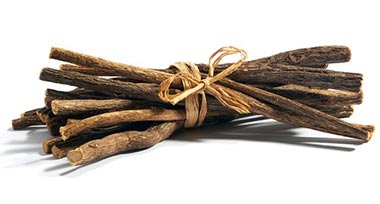
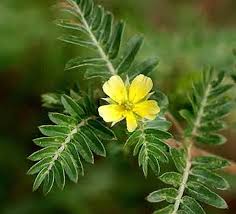
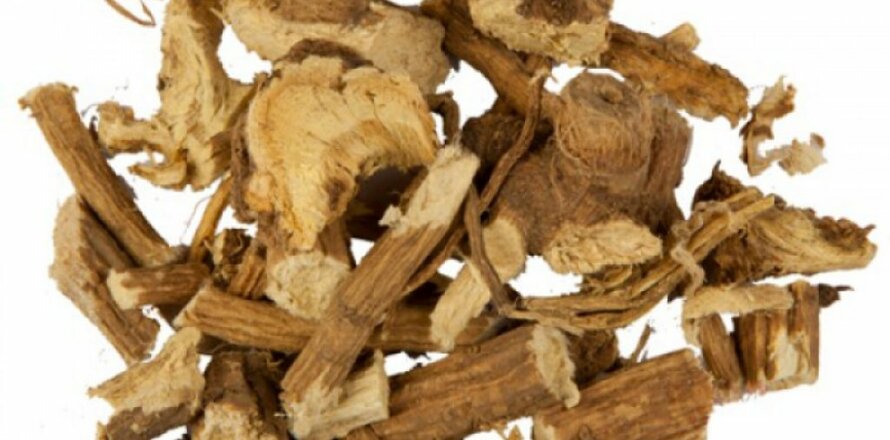
5. Aphrodisiac plants (strengthen shukra dhatu and Ojas): shatavari, licorice, ashwagandha, gokshura (the fruits of Tribulus terrestris), salep (the root of the spotted orchid), marshmallow root, pear, banana, melon, almond, pomegranate, aloe, cream.
What is written below is very important to know, as it represents the pinnacle of knowledge about health—of course, from the Ayurvedic perspective. Therefore, ancient Ayurvedic scriptures are quoted.
Qualities of Ojas (Sushruta Samhita):
Substances with similar qualities will increase Ojas:
- — cold (shita);
- — moist, oily (snigdha);
- — smooth (shlakshna);
- — slimy (picchila);
- — thick (bahala);
- — heavy (guru);
- — sweet (madhura).
Para:
— in the hridaya (heart) — 8 drops of a reddish-yellow color;
— its loss leads to death; therefore, it is one of the life-supporting factors.
Apara (Shleshmik Ojas):
— in every tissue, as its essence — approximately 60 ml (rasojas, raktodjas, mamsodjas, medhodjas, asthiodjas, majjodjas, and shukrodjas are distinguished);
— similar in qualities to Kapha (Sushruta Samhita).
Functions of Apara Ojas (Sushruta Samhita, Sutrasthana 15.20)
A — strength:
1. the ability to perform mental (creative activity, memory, the ability to discriminate) and physical activity (karyashakti — creative energy).
2. the ability not to fall ill (vyadhikshamatva — protective energy)
(Charaka Samhita Su 28.7):
a) the ability to prevent disease (prevents the doshas from damaging the tissues)
b) the ability to restrain the severity of disease
B — stability
C — good muscle development
D — effective functioning of the mind (the ability to concentrate) and the sense organs (ears, eyes, nose, tongue, and skin), and motor organs (hands, feet, organs of elimination, reproductive organs, and the tongue (organs of communication))
E — maintaining a good, beautiful voice and physique
States of Ojas:
1. Balanced
2. Increased (since it is the essence of the tissues, this leads to (Ashtanga Hridayam, Sutrasthana 11.41):
a) satisfaction (tushti);
b) nourishment (pushti);
c) increased mental and physical strength and the ability to resist disease (balodaya).
3. Decreased (Ashtanga Hridayam, Sutrasthana 11.39–40):
- irritability
- weakness
- constant worry (with or without reason)
- a feeling of discomfort in the sense organs
- poor complexion
- negative thoughts
- dryness in the body
Causes of decreased Ojas
(Ashtanga Hridayam, Sutrasthana 11.39; Sushruta Samhita, Sutrasthana 15.24–39; Charaka Samhita, Sutrasthana 17.70–77)
Food:
1. Lack of food;
2. Undereating;
3. Dry food and alcohol;
4. A mixture of wholesome and harmful foods;
5. Excessive hunger;
6. Poisoning;
7. Toxic and harmful substances (coffee, tea, alcohol, tobacco, cannabis, drugs).
2. Undereating;
3. Dry food and alcohol;
4. A mixture of wholesome and harmful foods;
5. Excessive hunger;
6. Poisoning;
7. Toxic and harmful substances (coffee, tea, alcohol, tobacco, cannabis, drugs).
Emotions:
1. Excessive thinking;
2. Anxiety;
3. Grief;
4. Anger;
5. Fear.
2. Anxiety;
3. Grief;
4. Anger;
5. Fear.
Behavior:
1. Excessive physical activity;
2. Insufficient sleep;
3. Depletion of the tissues, especially semen;
4. Excessive secretion or elimination of Kapha, blood, semen (for women — lubrication — moistening of the genital tract due to erotic stimulation), and waste products (urine, feces, sweat).
2. Insufficient sleep;
3. Depletion of the tissues, especially semen;
4. Excessive secretion or elimination of Kapha, blood, semen (for women — lubrication — moistening of the genital tract due to erotic stimulation), and waste products (urine, feces, sweat).
Other:
1. Injuries;
2. Attack by evil spirits or pathogenic microorganisms.
2. Attack by evil spirits or pathogenic microorganisms.
Stages of decreased Ojas (Sushruta Samhita)
First (minor):
1. Weakness of all joints and other connections in the body;
2. General weakness;
3. The doshas moving beyond their normal locations;
4. Impaired physical and mental activity.
Second:
1. Stiffness in the body;
2. A feeling of heaviness;
3. Exhaustion;
4. Change in complexion;
5. Laziness, stupor;
6. Drowsiness.
Third:
1. Dizziness, loss of consciousness;
2. Illusions, delusions;
3. Inappropriate speech;
4. Muscular dystrophy;
5. Severe weakness;
6. Fear, excessive anxiety;
7. Excessive suffering;
8. Diseases, dysfunction, and disorders of the sense organs;
9. Predominance of negative emotions and moods (“bad mind”);
10. A very unhealthy appearance and sense of well-being;
11. Death.
Increase Ojas:
1. Milk, ghee, and honey.
You can literally eat these three products as MEDICINE!
2. Juicy, oily, healthy, heart-pleasing, fresh food (prepared no more than 3 hours before eating). It increases lifespan, purifies consciousness, adds strength and health, and brings happiness and satisfaction (Bhagavad Gita 17.8–10).
3. Sexual abstinence.
4. Preparations: Saraswata churna, Drakshadi Kashayam, Sariva churna, Guggulutiktaka Kashaya churna, Manasamitra, Pranada gutika, Ushira churna, Mahatiktaka Kashaya churna, Tentex Forte.
5. Aphrodisiac plants (strengthen shukra dhatu and Ojas): shatavari, licorice, ashwagandha, gokshura (the fruits of Tribulus terrestris), salep (the root of the spotted orchid), marshmallow root, pear, banana, melon, almond, pomegranate, aloe, cream.